
144
Or, Talking To The Text

Hi! Thanks for reading this newsletter. A click of the ♡ button makes a difference. You can also share excerpts on social media, forward it to someone who might enjoy the vibes, or text it to a friend.
Reader,
I forgot to let you know when my hold of Slow Poison: Idi Amin, Yoweri Museveni, and the Making of the Ugandan State came in but this is one of those “the best time was then, the next best time is now” things. And it feels like the right time because this book has me annotating like never before.
I’ve been fighting the urge to live-post about this book (and I’m not yet done) but it’s making me think a lot about how people and countries are narrativised. This book has me feeling especially sensitive about the continuing fact that Africa and Africans are so often written about by people situated off the continent. Old conversation, will not be rehearsing it here, but I feel it keenly as I read this text.
I wish I could say I’ve made notes in books since my high school English teacher gave us permission to write in set books. In fact, I only began doing it outside of school when I started reading digitally. The reader and the writing device are one — all I have to do is type away. The challenge for me, increasingly, is moving from marginalia and consolidating them into some sort of critical media journal (as discussed by Jananie) because every so often books are in conversation but it’s all happening in my noggin, not in some notes (or should I say “second brain”?).
The latest such case is how Mamdani’s writing on the years of war in Northern Uganda has me thinking about We, The Kindling by Otoniya J. Okot Bitek, which centres women in a narrative of armed conflict in a way that I’m sad to say I still find unfamiliar. I recently borrowed it and hope that approaching the violence of that time from both fiction and non-fiction can enrich what felt like an incomplete narrative.
The thing that all the highlighting and note-taking has crystallised is how vital reading in community is. I am eagerly awaiting a friend’s completion of Mamdani’s book so that we can talk and I may just do a reflection video (another video threatened!) or blog post when I’m done reading both texts. Speaking about Slow Poison during a recent call with friends has made me feel different as I complete the last two chapters of the books; now I speak to the text with them over my shoulders. Which, for this person who has a regular urge to return to university, feels like the closest thing to scholarship as I imagine it.
Before then— let me know if you annotate books, why (whether or not you do), and what book(s) had you highlighting passages lately.
Quick news/ things that may be of interest:
This Saturday (constituent events here, Silent Book Club in the afternoon cancelled)

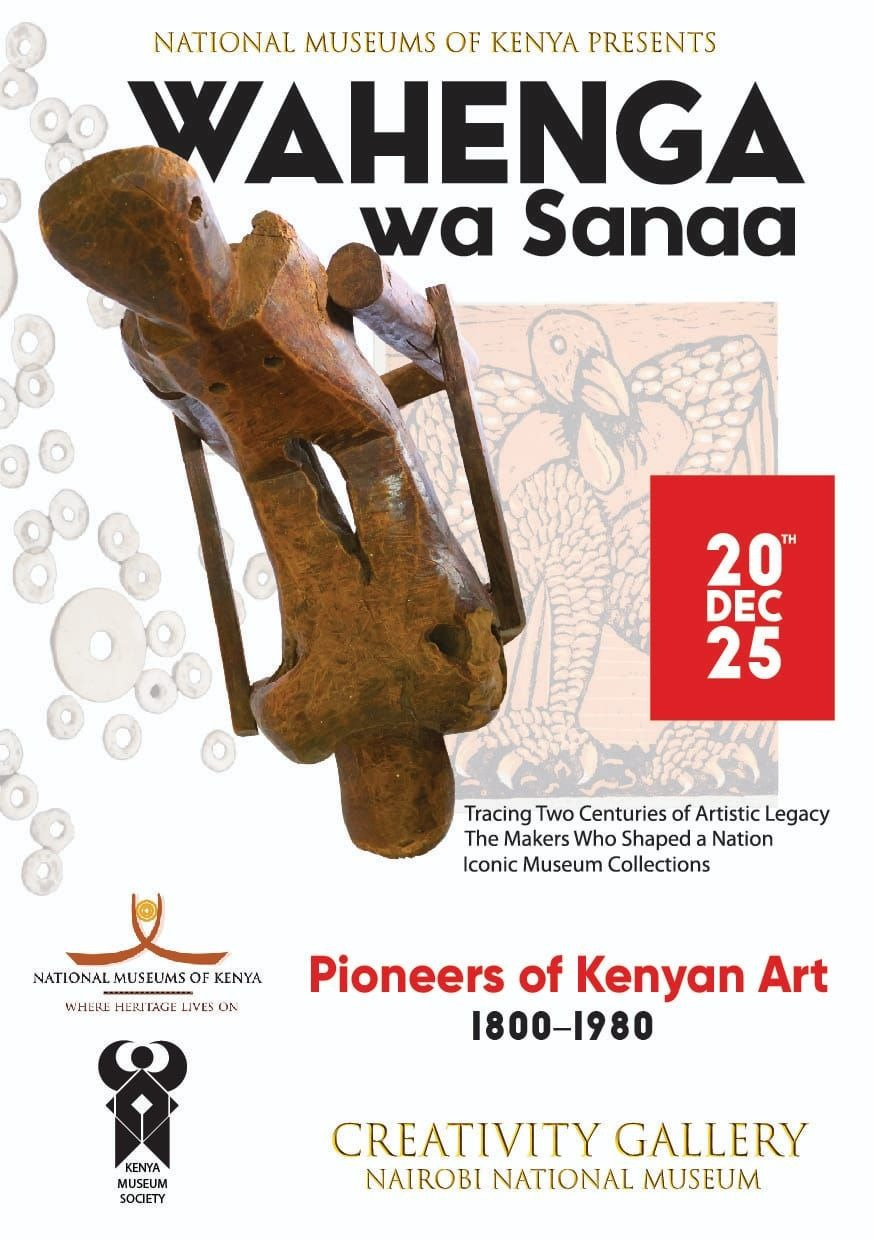
Ongoing (there will be a guided tour during the Pop Up Market):
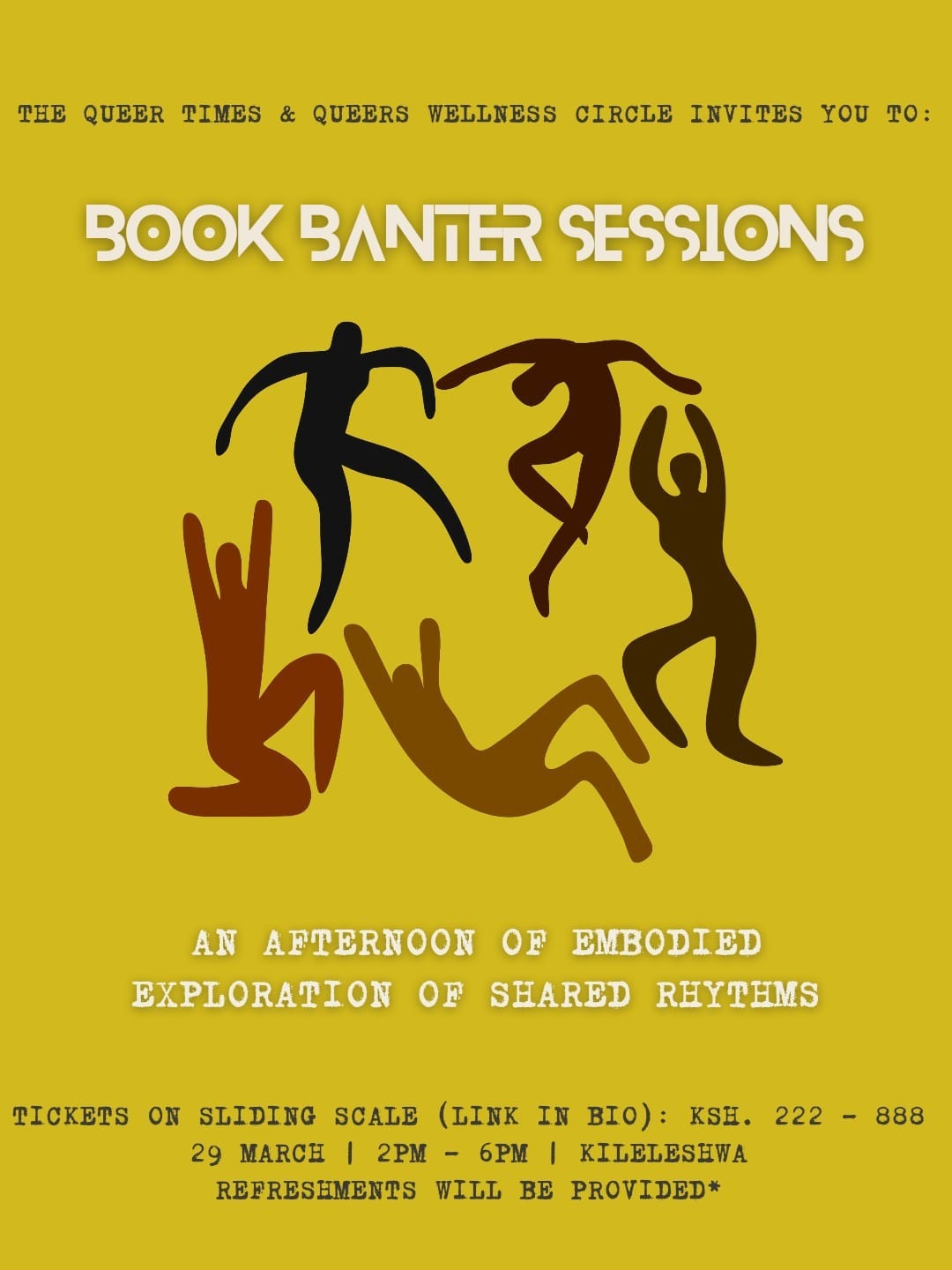
Next weekend (tickets here):
Treat someone you like (me, for instance, I have a Switch) to the Tiny Bookshop Game (which is also on Discord)
Subscribe to my WhatsApp channel for texts I find while I spend time online
Film folks: Solidarity Cinema, for your consideration
If you’re in the Global North and would be open to engaging in the North-South solidarity that is sharing a library card, please email or message me so we can figure things out. Thank you!
The Queer Liberation Library 🏳️🌈🏳️⚧️, which is free to join here
Digital Library of Korean Literature, which is free to join here
Film folks: Check out the Japan Foundation’s JFF Theater online streaming platform
How to Write Alt Text and Image Descriptions for the visually impaired
Since Elon seems to want (some of) us gone, I’m trying to post more often on Bluesky. Follow me there if you’re on it!
You can send me books, postcards, letters, and assorted items via PO Box 102439, Jamia Posta 00101, Nairobi, Kenya (I write back!)
I have finished three books since I last wrote to you: Solitaria by Eliana Alves Cruz, translated from Brazilian Portuguese (original title: Solitária) by Benjamin Brooks (e-book and audiobook narrated by Madeleine Claude), Two Women Living Together by Kim Hana & Hwang Sunwoo, translated from Korean (original title: 여자 둘이 살고 있습니다) by Gene Png (e-book & audiobook narrated by Jessica Lee & Sofia Jin) and The White Book by Han Kang, translated from Korean (original title: 흰) by Deborah Smith (audiobook narrated by Jennifer Kim). I’m primarily using Storygraph now (passively updating Goodreads as I read most e-books on Kindle via the library) and I hope to get back to making videos soon.
As ever, please write back to me and tell me what books you’re reading or looking forward to reading — it’s always a great time talking about books.
Thank you for reading 🙂
If you have enjoyed this newsletter and want to support my writing, you can:
Share an excerpt on social media, tap that ♡ button, & tell someone to subscribe
Send me a gift off my wishlist
Send opportunities my way. I can run your communications effort, do research, write reviews, craft copy, do cultural work (moderate, interview, make a podcast) and much more besides; just shoot me an email - 100onbooks@proton.me)
Send me job ads (communications, research, digital policy & arts positions especially)
Send me opportunities for art makers e.g. residencies, grants etc.
Forward this newsletter to a friend you think would enjoy it
send M-PESA or PayPal me a one-time gift at @cmutanyi
Enjoy the week ahead and have a lovely time reading. Talk to you soon!
Old conversation, will not be rehearsing it here, but I feel it keenly as I read this text. - I hear this and not to obliterate the dead horse completely but is it different when they were actually there, in spite of the obvious privilege he has ie being close to Museveni etc? See also Alexander McCall Smith?