
143
Or, Pirates & Privilege

Hi! Thanks for reading this newsletter. A click of the ♡ button makes a difference. You can also share excerpts on social media, forward it to someone who might enjoy the vibes, or text it to a friend.
Reader,
This is coming to you even later than I anticipated because I was out and about all day Monday and then I arrived home to a house without power. I have called Kenya Power so many times I can now sing along to their new jingle. I know it’s new because I could sing along to the previous one until very recently. Mama Mike thinks Eric Wainaina sang this one - I’m calling it Nuru ya Kenya - so please factcheck in the comments if you know who sang it. [factchecking myself: It looks like it’s Saint P - first I’ve heard of him - from this post].
I’m writing this from my uncle’s house because while the entire road I live on has no power (yes, I speak to the neighbours and not just because KPLC customer service representatives often ask me if it’s just me without power or more people in the area) while the one he lives on does. The village; it gives (uncle’s home in which to charge devices) and takes (no cafe with wifi to sit at to charge devices). [Update: Power returned 2 or so hours after I left. Whoever at KP said they’d sort it out today was right.]
Onwards.
Certain bookish spaces have been animated by conversations about piracy since a Twitter user posted a link to a number of African Writers Series (AWS) titles on the 2nd of this month. I am tempted to say “This, again?” but (and?) I would like to say a few words about piracy and the conversations we’ve been having (for years, at this point).
Those of us who are (or have been) poor or on low income however one defines it can tell you how expensive books are. Recently, a friend sent me a picture of a paperback that was priced at KES 5,800 (about 45 USD). It was a book in translation from a writer who was disappeared by his state after he wrote it so I imagine the price incorporates all that. Yet spending $40+ on a book is not something to sneeze at. It’s often the case in Kenya that the books we buy are paperback editions of the Commonwealth editions of books and it’s becoming rarer and rarer to find a book under KES 2,000 (15 USD). That puts new books out of reach for most people in countries like mine where so many people make under 100 USD a month.
Buy second hand instead of pirating, we are told. We’d love to, but the second hand book landscape in Kenya is nothing like the West and it feels disingenuous to give the same advice to people who live in countries with a thriving purchase to second hand pipeline and whose who live in countries where what one finds among second hand sellers is often older books (in terms of publication dates or their state) or, increasingly, expensive books (see: shops that’ll sell second hand books at KES 500 - USD 4 - or more).
Borrow titles from the library, we are told. Easy to say perched in countries with comparatively well-funded libraries when one is speaking to folks in countries where some libraries no longer loan books and more and more of them are means of personal and institutional myth-making more than they are places to come upon contemporary titles.
We are not operating from the same places, we are not reading from the same scripts.
I, too, was once a prolific pirate liberator of digital titles. I’d read about a book, look it up on one of that time’s book-sharing sites of choice, download the EPUB, and read. The only things that stood between me and a book were time and whether it was available on those sites. It led to a lot of Western and Western-published books; because that is what those sites privilege. It also resulted in me asking myself a lot of questions about what sort of reader I wanted to be, and how to remedy the imbalance I saw in my reading. Why was I, an African living in Africa, rarely reading books published on the continent? Did I need a Western publisher’s imprimatur to pick up a book? I’m still trying to cure that situation and there has been writing that shows it’s not just a Mike Matter.
For the 2 or so years I had some disposable income, I bought a few African books (I’m especially grateful for the Macondo Festival as a site of discovery and purchases). Even then, I was always keenly aware of how much they cost and the fact that there was rarely a sale on those titles. KES 1,500+ (13+ USD) for paperbacks was the norm then and I couldn’t begrudge a liberator. I still don’t.
In the time since, some people have generously shared their library cards with me (email me - 100onbooks@proton.me - if you’d like to share yours. I try to keep my loans at sub-10 across cards at a time so you’ll barely notice me) so I’ve left the land of piracy and entered that of holds, waits, and 14-21 day loans. The ephemerality of the digital over the years was good practice for a time-limited reading experience; though one sometimes misses the way an EPUB would stay on their device, as opposed to the “Title Not Available” message one gets when they tap a cover. Sometimes it’s weeks till I can borrow a title again and one almost has to start from the beginning so you win some, you lose some (you also learn to limit how many books you borrow, so you have a fair chance at reading them).
All this to say, I understand when people say they pirate books because they don’t have money. I have spent most of my adult life under- or unemployed. Yet I have read through the years of fasting (and they were many, this is one of them) and those of feasting. I have always been a reader (for my 65th birthday, life being granted to me, I’ll put together a slideshow of photos of me reading since childhood) but I’ve not always had money or someone to buy me books. If every book I read had to be purchased, I’d read way less. That’s not an uncommon occurrence. When I see folks come out and say (in one case verbatim) “Don’t read books if you don’t have money to buy them” I’m astounded by how anti-poor and anti-intellectual they come across. Either reading is valuable, in and of itself, or it is not. And if it is, let people come to it even by piracy!!!
In another world we would all have libraries a short walk or ride from our homes that are well-stocked and responsive to the needs of users. Some of us live in that world, lots of us do not. As a certified complainer (Sara Ahmed I will always love you!), I am always irritated by the sort of people who want to extract solutions from people who complain. Sometimes we just want to vent! In this instance, though, I wonder how many people would be willing to lend their digital library credentials to the cause. Let the people have access to those digital holds and loans, as a treat. I could make noise about the state of Kenyan libraries for days (G-d knows I have) but while we’re in this moment, libraries are not the solution so many posters seem to think they are (sorry!).
And now, to speak to the AWS of it all. This particular Drive folder (which was shut down in record time) was a dream come true for me. One I did not know I had, because one doesn’t always think they can dare to dream. In the world of film, folks have been writing and speaking about the fact that pirates represent people whose archival impulse transcends collecting to encompass sharing. More and more, with streaming platforms deleting or editing media, these pirated copies are sometimes the only record that something existed. This dynamic isn’t limited to film and TV. Jeff’s site will sometimes edit book covers (and much more besides; plus one doesn’t own their books) so an EPUB may be the only way a certain instance of a book exists other than print (still the holy grail for me; I will be accepting questions). These AWS books were a revelation because so many of those books are out of print. Someone - or some people - had taken the time to scan hundreds of pages of books in libraries and so on and shared them. Even the person who initiated the first round of drama about those books detailed how she has less than 10% of the AWS titles. They’re hard to find (the 6 I have are prized possessions) and, in a continent where estate sales are not the norm, often disappear when the people who collected when as they were published pass on. Free the books, I say. I know that some titles have since been republished by Apollo Africa, a collaboration between Black Star Books and Head of Zeus (the EPUBs in that now-gone Drive, for instance) but for the 100+ that haven’t gotten that treatment, the PDFs were a treasure trove.
Unless we can address the issues of cost and access, piracy will be a perennial concern. I know some Intellectual Property (IP) defenders will rise up. Some of my best friends are IP lawyers etc. As a creative surely I, of all people, should want other creatives paid. I do!!! That’s why I’d love to have affordable books (see: book prices in India), more contemporary books offered by second hand booksellers and for more books to be eligible for public lending right schemes. We can have it all; there’s enough for us all. And before then, let the people read :)
One more thing. Those of us who have pirated books because of cost or access (or both) often buy titles they have loved if and when they have money. The possibilities abound; nothing is stopping us from imagining a world where all the people can read all the books.
For those making books, please work towards making “legitimate” books broadly available. For those sailing the high seas, stay safe out there.
Quick news/ things that may be of interest:
Ongoing:
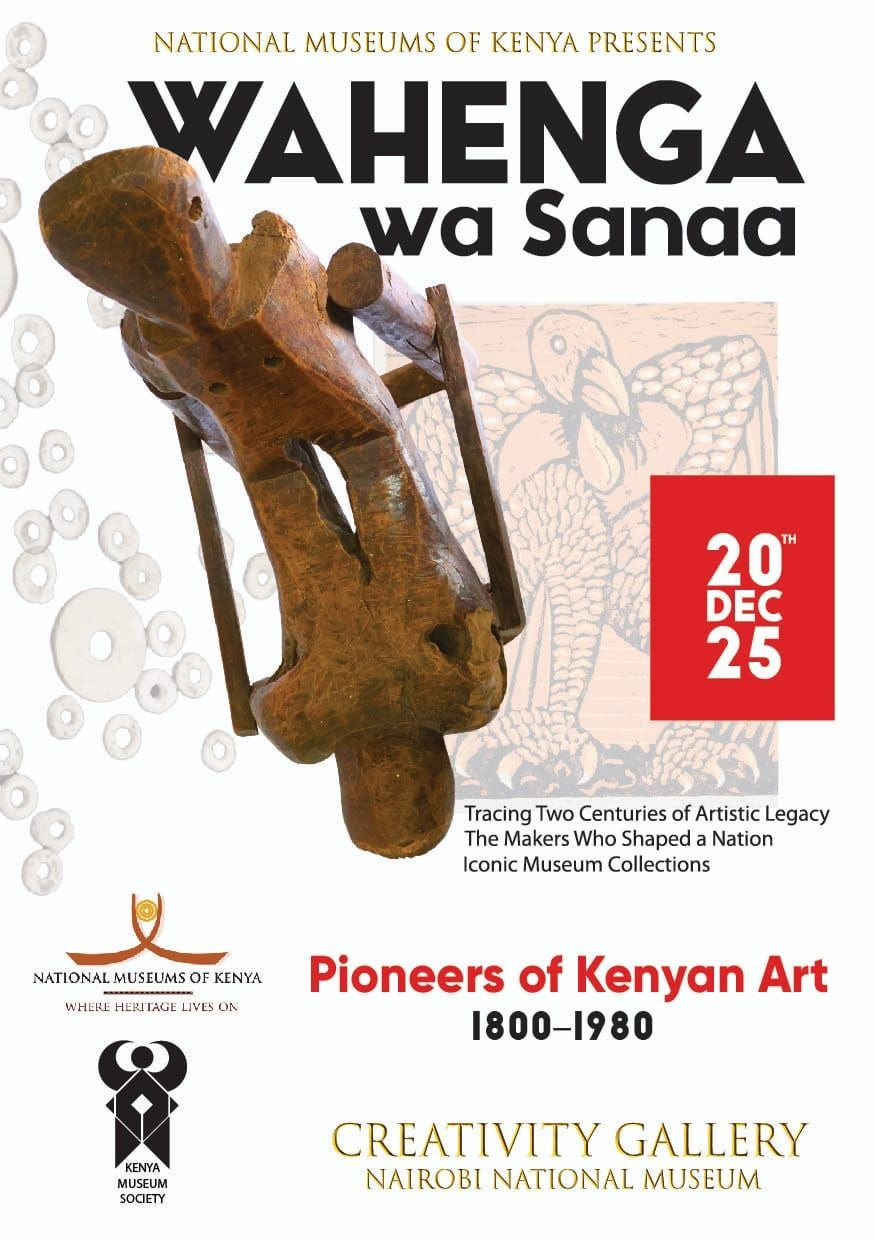
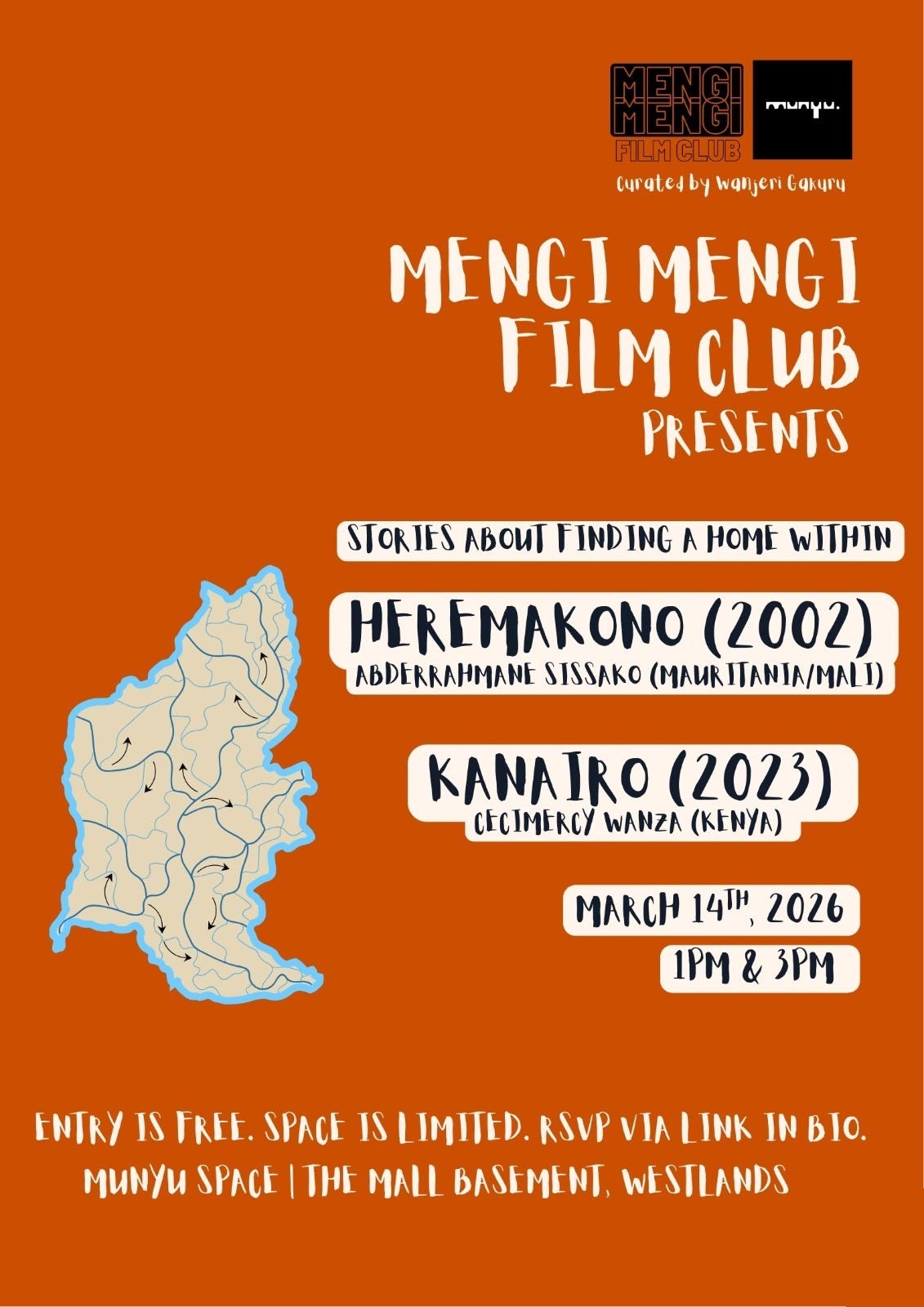
This weekend:
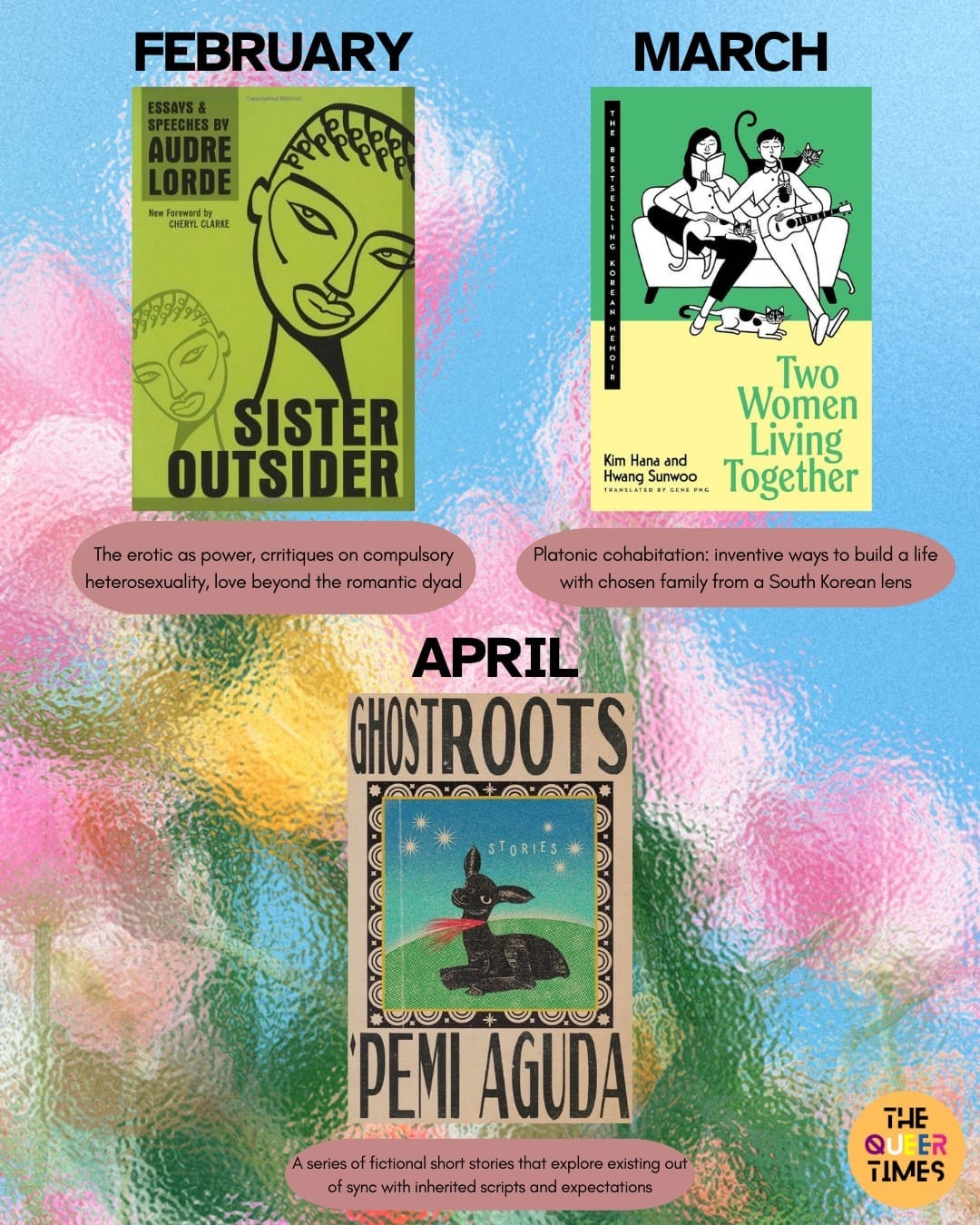
Upcoming Queer Times Book Club titles:
Save the date/ mark your calendar for a bookish day on 21 March — this sale in the morning, Silent Book Club in the afternoon

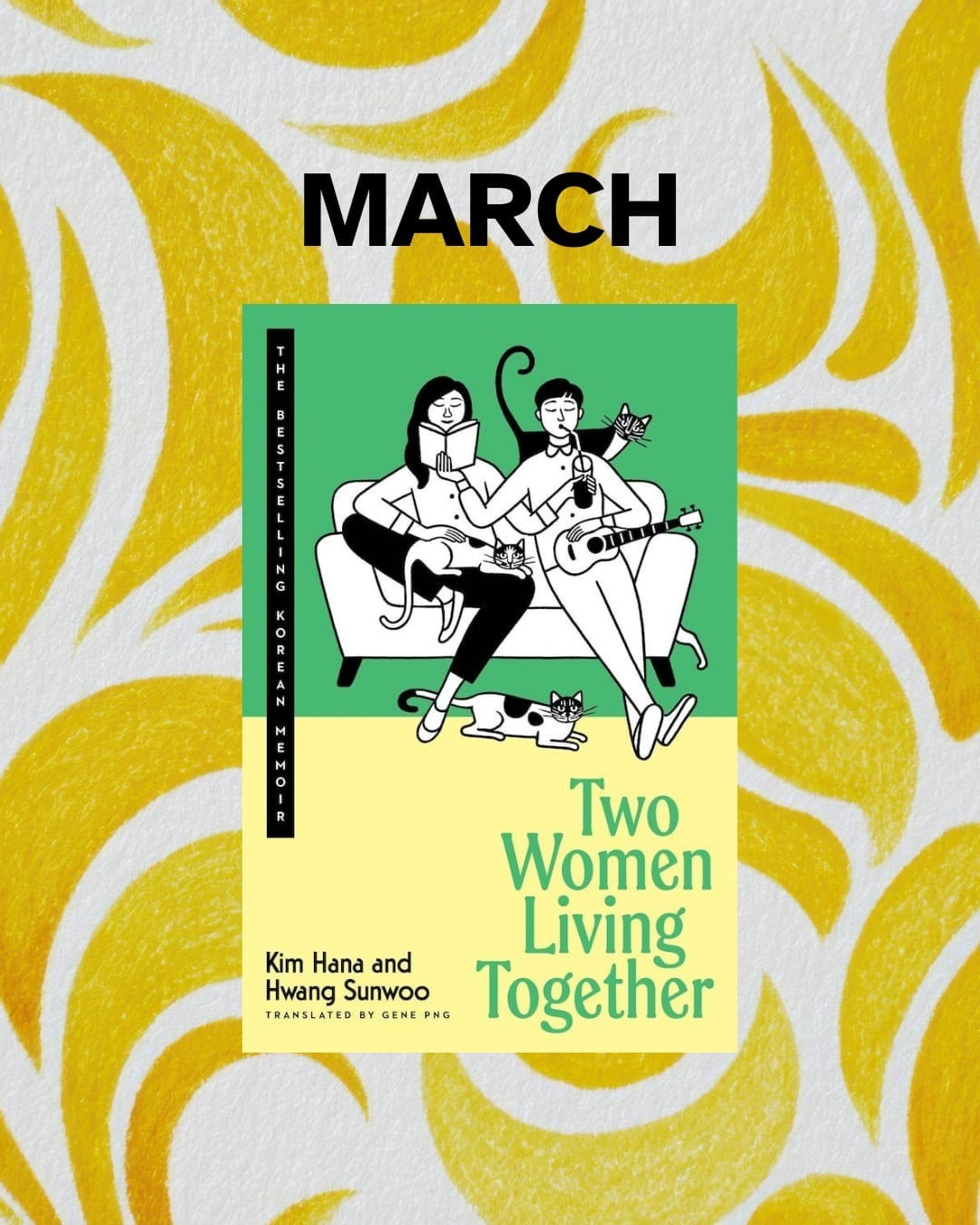
Get into the book before the meeting details are shared (probably the last Sunday of March)
Treat someone you like (me, for instance, I have a Switch) to the Tiny Bookshop Game (which is also on Discord)
Subscribe to my WhatsApp channel for texts I find while I spend time online
Film folks: Solidarity Cinema, for your consideration
If you’re in the Global North and would be open to engaging in the North-South solidarity that is sharing a library card, please email or message me so we can figure things out. Thank you!
The Queer Liberation Library 🏳️🌈🏳️⚧️, which is free to join here
Digital Library of Korean Literature, which is free to join here
Film folks: Check out the Japan Foundation’s JFF Theater online streaming platform
How to Write Alt Text and Image Descriptions for the visually impaired
Links to Reading Lists, Free Books, Book Recs, Book-related Items, and Calls for Submissions in this document (most recent links at the top)
Since Elon seems to want (some of) us gone, I’m trying to post more often on Bluesky. Follow me there if you’re on it!
You can send me books, postcards, letters, and assorted items via PO Box 102439, Jamia Posta 00101, Nairobi, Kenya (I write back!)
I have finished two books since I last wrote to you: One Of Our Kind by Nicola Yoon (e-book and audiobook narrated by Nicole Lewis) and A Streetcar Named Desire by Tennessee Williams (audiobook narrated by Amy Brenneman, Vincent D’Onofrio, Jamie Hanes & Frederick Coffin). I’m primarily using Storygraph now (passively updating Goodreads as I read most e-books on Kindle via the library) and I hope to get back to making videos soon.
As ever, please write back to me and tell me what books you’re reading or looking forward to reading — it’s always a great time talking about books.
Thank you for reading 🙂
If you have enjoyed this newsletter and want to support my writing, you can:
Share an excerpt on social media, tap that ♡ button, & tell someone to subscribe
Send me a gift off my wishlist
Send opportunities my way. I can run your communications effort, do research, write reviews, craft copy, do cultural work (moderate, interview, make a podcast) and much more besides; just shoot me an email - 100onbooks@proton.me)
Send me job ads (communications, research, digital policy & arts positions especially)
Send me opportunities for art makers e.g. residencies, grants etc.
Forward this newsletter to a friend you think would enjoy it
send M-PESA or PayPal me a one-time gift at @cmutanyi
Enjoy the week ahead and have a lovely time reading. Talk to you soon!